
ICC Highlights: The Leading Wicket-Takers of the 2023 World Cup
The 2023 ICC Cricket World Cup was a masterclass in sporting brilliance, particularly from the bowling department. The tournament was defined by athletes who left a permanent mark on the game, with the leading wicket-takers standing out the most. Their combination of technical precision, strategic mindset, and raw skill left cricket fans across the globe completely mesmerized.
In this guide, we'll break down the top bowlers of the event. We'll start with a quick refresher on the fundamental rules of the World Cup before revealing who ultimately claimed the most wickets in 2023.World Cup for 2023.
The Basics: What Exactly is a 'Wicket' in a World Cup Match?
In the complex game of cricket, taking a wicket is the ultimate turning point. It marks the end of a batsman's time at the crease and triggers a shift in momentum that can change the entire trajectory of the match. It's the heartbeat of the game's ebb and flow. To provide a clearer picture, let's dive into exactly what constitutes a wicket within the context of the ICC World Cup.wicket stands as the linchpin moment. It represents the termination of a batsman’s innings and setting in motion a chain of events that shape the course of the game. It symbolizes a significant shift in the dynamics of the match and is integral to the ebb and flow of the game. Here’s a comprehensive exploration of what a wicket entails, particularly in the context of the ICC Cricket World Cup.
Dismissal Significance
- Simply put, a wicket occurs when a batsman is dismissed, meaning their turn to bat is over.
- This moment is a strategic catalyst; it shifts the pressure and can completely flip the fortunes of the two teams competing.
Methods of Dismissal
- Bowled: This happens when the bowler delivers a ball that hits the stumps and knocks the bails off, dismissing the batsman instantly.
- Caught: A dismissal occurs when the batsman hits the ball and a fielder or the wicketkeeper catches it before it touches the turf.
LBW (Leg Before Wicket)
- LBW (Leg Before Wicket): If the umpire decides the ball hit the batsman's body or leg instead of the bat, and believes it would have gone on to hit the stumps, the batsman is ruled out.
Run Out
- Run Out: If the fielding side manages to break the wicket while both batsmen are outside their safe zones (the crease) during active play, the batsman is dismissed.
Stumped
- Stumped: This occurs when the wicketkeeper knocks the bails off while the batsman is out of their ground and not attempting a run.
Roles in Cricket
Bowlers
- The primary goal here is to keep the opposition's score low while consistently taking wickets.
- Bowlers use a variety of tactical approaches to dictate the tempo of the game and put the batsmen under immense pressure.
Batsmen
- The objective for the batting side is to accumulate as many runs as possible by skillfully handling the opposition's bowling attack.
- Success often depends on building strong partnerships, which provide the stability needed to sustain a team's innings.
All-Rounders
- All-rounders bring immense value by contributing effectively with both the bat and the ball.
- Because they can impact multiple areas of the game, all-rounders are often the backbone of a team's overall performance.
Fielders
- Fielders are tasked with stopping the flow of runs through quick reflexes and athletic movement.
- Great fielding, specifically through sharp catches and precise run-outs, can be the difference between winning and losing.
WicketKeepeers
- The wicketkeeper handles a specialized role, acting as both a primary fielder and a batsman.
- This position requires lightning-fast reflexes for stumping and catching the ball right behind the stumps.
Captains
- The captain is the strategic heartbeat of the team, managing bowler rotations and field placements both during and before the match.
- They are responsible for the high-level tactical calls that give their team a competitive edge.
Who has the Most Wickets in World Cup 2023
As the excitement of the 2023 ICC Cricket World Cup settles, one major highlight remains: who was the most successful bowler? Let's look back at the elite performers who dominated the tournament and discover the journey of the player who took home the title of leading wicket-taker. Let's celebrate the bowling stars who defined this historic event.
| Bowler | Matches | Wickets | Econ | Average | BBI |
| Mohammed Shami (IND) | 7 | 24 | 5.26 | 10.70 | 7/57 |
| Adam Zampa (AUS) | 11 | 23 | 5.36 | 22.39 | 4/8 |
| Dilshan Madushanka (SL) | 9 | 21 | 6.70 | 25.00 | 5/80 |
| Jasprit Bumrah (IND) | 11 | 20 | 4.06 | 18.65 | 4/39 |
| Gerald Coetzee (SA) | 8 | 20 | 6.23 | 19.80 | 4/44 |
| Shaheen Afridi (PAK) | 9 | 18 | 5.93 | 26.72 | 5/54 |
| Marco Jansen (SA) | 9 | 17 | 6.52 | 26.47 | 3/31 |
| Ravindra Jadeja (IND) | 11 | 16 | 4.25 | 24.87 | 5/33 |
| Josh Hazlewood (AUS) | 11 | 16 | 4.81 | 28.06 | 3/38 |
| Mitchell Santner (NZ) | 10 | 16 | 4.84 | 28.06 | 5/59 |
1. Mohammed Shami (IND): A Master of Swing and Seam
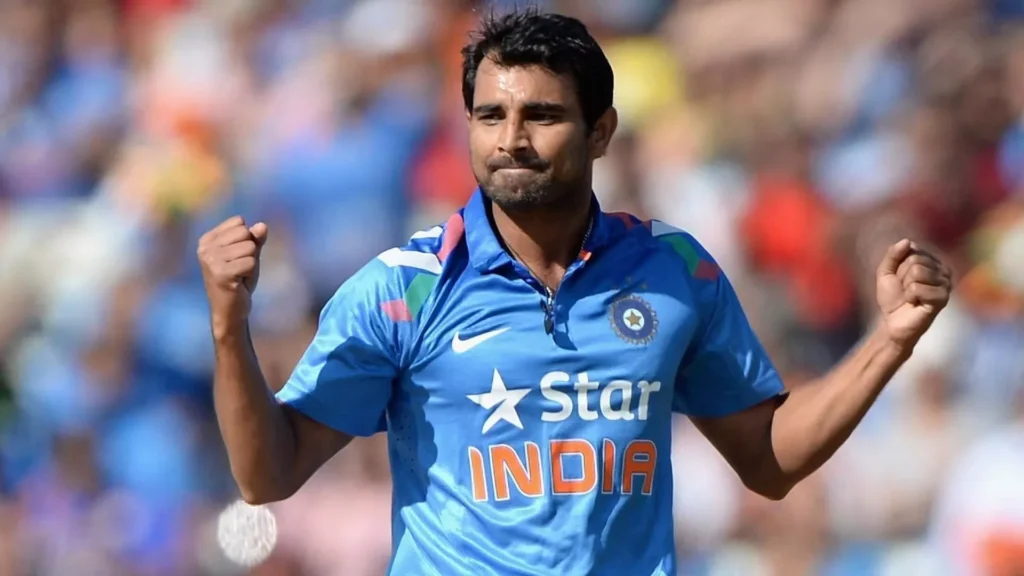
Amidst the high-tension atmosphere of the tournament, Mohammed Shami stood above the rest. His ability to move the ball both in the air and off the seam at high speeds made him a nightmare for any batsman. His crowning achievement was a devastating spell of 7/57, proving his lethal accuracy. With a tight economy of 5.26 and a remarkable average of 10.70, Shami was a cornerstone of India's success.
2. Adam Zampa (AUS): The Spin Maestro
Adam Zampa showed the world that spin can be just as destructive as pace in short-format cricket. Claiming 23 wickets across 11 games, the Australian leg-spinner used his variations to completely deceive batsmen. His best outing of 4/8 highlighted his ability to rip through a batting order with precision. Averaging 22.39 with an economy of 5.36, Zampa was an indispensable asset to Australia and one of the tournament's premier spinners.
3. Dilshan Madushanka (SL): The Breakout Star
Sri Lanka found an unexpected weapon in Dilshan Madushanka, who quickly established himself as a rising force in the sport. In 9 matches, he took 21 wickets, utilizing raw pace and steep bounce to rattle even the most experienced players. His 5/80 performance proved he could dismantle key partnerships and shift the game's momentum. Even if his team struggled, Madushanka's individual brilliance earned him global recognition.
4. Jasprit Bumrah (IND): The King of the Yorker
With his unique bowling action and pinpoint yorkers, Jasprit Bumrah remained the anchor of the Indian attack. He claimed 20 wickets in 11 matches, proving once again that he thrives under pressure. His incredible economy rate of 4.06 and average of 18.65 speak to his flawless control. A standout performance of 4/39 highlighted his ability to trigger collapses and secure vital breakthroughs.
5. Gerald Coetzee (SA): South Africa's Pace Powerhouse
Gerald Coetzee made a lasting impression on the World Cup through a combination of sheer velocity and precision. He was a key driver of South Africa's progress in the tournament. His best figures of 4/44 showed how he could tear through a batting lineup using raw speed. Coetzee's blend of aggression and control marks him as one of the most exciting young fast bowlers in the world today.
6. Shaheen Afridi (PAK): Pakistan's Strike Bowler
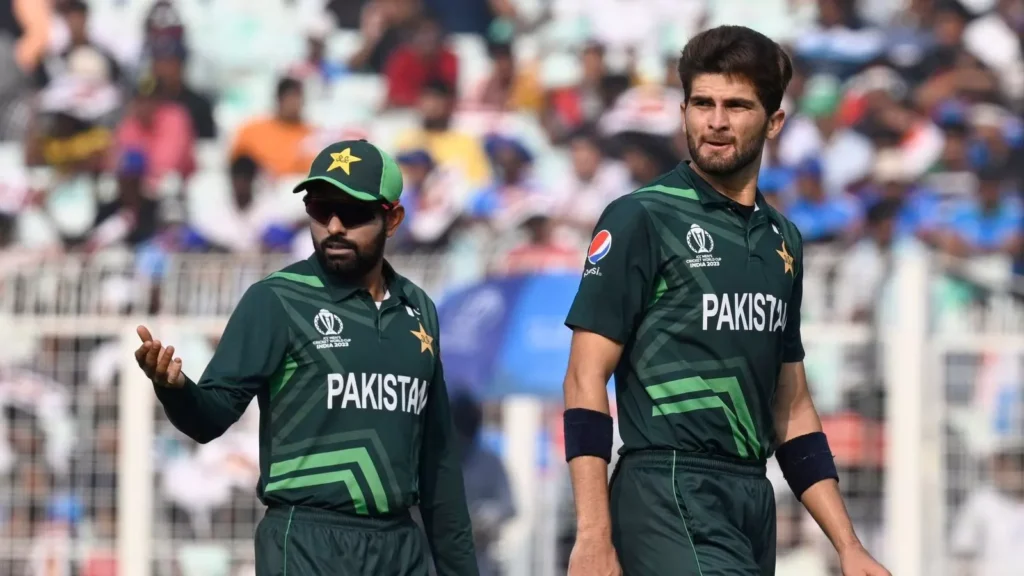
Pakistan's left-arm spearhead, Shaheen Afridi, was a constant threat, taking 18 wickets in 9 matches. His ability to generate bounce and late movement frequently left batsmen guessing. His best figures of 5/54 came during critical moments, helping Pakistan stay competitive. With an average of 26.72 and an economy of 5.93, Afridi's consistency and knack for taking early wickets made him a standout performer.
7. Marco Jansen (SA): The Young Gun
Pakistan's left-arm spearhead, Shaheen Afridi, was a constant threat, taking 18 wickets in 9 matches. His ability to generate bounce and late movement frequently left batsmen guessing. His best figures of 5/54 came during critical moments, helping Pakistan stay competitive. With an average of 26.72 and an economy of 5.93, Afridi's consistency and knack for taking early wickets made him a standout performer.
8. Ravindra Jadeja (IND): The All-Round Virtuoso
Ravindra Jadeja proved his world-class status by being a menace with the ball during the 2023 World Cup. He picked up 16 wickets in 11 games, with his left-arm spin becoming a vital tool for India. His best figures of 5/33 demonstrated his ability to stifle run flow and break stubborn partnerships. Averaging 24.87 with a stellar economy of 4.25, Jadeja was essential to India's dominant run.
9. Josh Hazlewood (AUS): The Seam Wizard
Josh Hazlewood brought a level of seam-bowling mastery to the Australian side, taking 16 wickets in 11 matches. His talent for getting the ball to nip off the pitch made him a constant danger. By combining a relentless line and length with surprising bounce, Hazlewood became a primary reason for Australia's success in the 2023 event.
Proven Tactics for Taking Wickets
Line and Length Precision
The first priority for any bowler is pinpoint accuracy. By consistently hitting the same spot (line and length), they make it nearly impossible for the batsman to play their natural shots, which naturally leads to more dismissals.
Pace Variations
Varying the speed of the delivery is a classic way to keep batsmen off-balance. By throwing in a slower ball or a sudden burst of pace, a bowler can ruin a batsman's timing, forcing a mistake that leads to a wicket. This element of surprise is key to a successful spell.
Swing and Seam Movement
Bowlers who can manipulate the ball to move sideways—whether through swing in the air or seam off the pitch—are incredibly difficult to play. This movement often forces the batsman to edge the ball, creating easy opportunities for catches. Mastering this skill is essential for any top-tier bowler.
Spin Variations
Spinners rely on deception, using off-breaks, leg-breaks, and various flight adjustments to confuse the hitter. Many batsmen struggle to read the turn, making them vulnerable and giving the spinner frequent opportunities to take high-value wickets through subtle variations.
Understanding Opponents
Modern bowling is as much about psychology as it is about skill. Bowlers study their opponents to identify favorite shots and technical flaws. By tailoring their approach based on a batsman's history and weaknesses, they can set traps and increase their chances of success.
Adapting to Pitch Conditions
Adaptability is crucial; bowlers must read the pitch and adjust their plan on the fly. Whether the surface is offering extra bounce, moving sideways, or aiding the spinners, the best bowlers change their deliveries to suit the conditions, ensuring they remain effective regardless of the environment.
Match Situation Adaptability
The best bowlers aren't static; they constantly tweak their approach based on the match's flow. If the goal is to break a partnership and grab quick wickets, they'll lean into an aggressive, high-pressure style. However, when the priority shifts to drying up the runs, they switch to a more disciplined, defensive mindset. This versatility—knowing exactly when to attack and when to contain—is what separates an average bowler from a truly elite wicket-taker across various match conditions.
Most Wickets in World Cup 2023
In the high-stakes drama of the 2023 World Cup, finishing as the leading wicket-taker was about more than just statistics. It was a testament to a bowler's grit and skill under the immense pressure of the global stage. Every breakthrough they achieved wasn't just a wicket, but a milestone etched into the history of the sport. We honor these exceptional athletes who turned the ICC Cricket World Cup 2023 into a legendary spectacle through their sheer dominance.