Cricket Stumps: A Guide to Their Different Parts
Whether you're a seasoned pro or just starting out, having a set of stumps for practice is a fundamental part of preparing for any match.
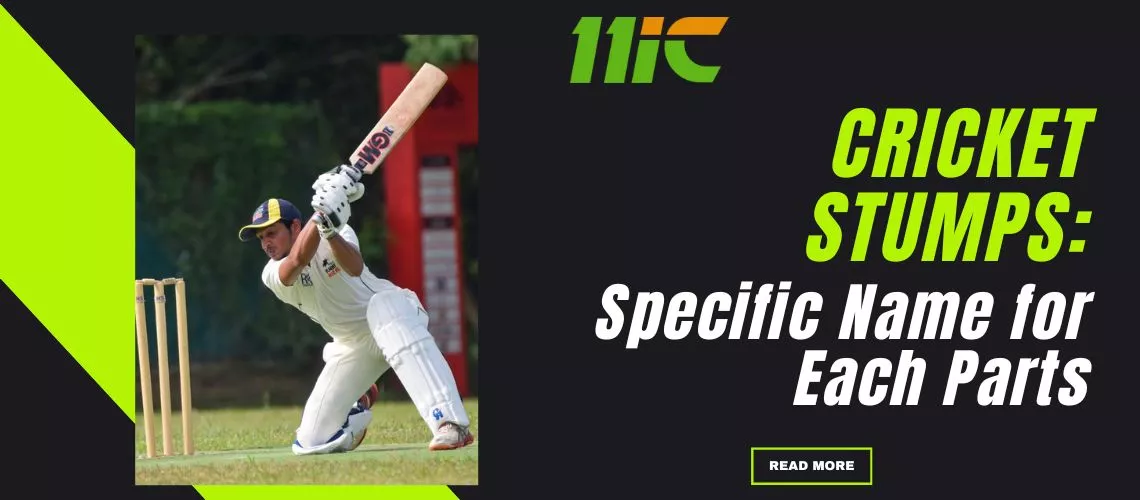
The combination of the three stumps and the two bails creates what is known as the wicket, positioned at each end of the pitch. A bowler's primary goal is often to hit these stumps with the ball to get the batter out. When a wicketkeeper puts down the bails while the batter is out of their ground, it's called a stumping.cricket, the stumps and bails together form the wicket, located at the end of the pitch. In order for the ball to strike the stumps, the bowler often tries to bowl it in a certain way. The bowler knocks out or dismisses the batsman in a process called stumping or getting stumped.
Cricket Terms for Stumps
In the context of the game, 'stumps' can mean three different things: it refers to the physical equipment, the act of dismissing a player, and the official signal that a day's play has ended.
Method of dismissal
According to the rules, a batsman is 'stumped' if the wicketkeeper knocks the bails off while the batter is outside their crease. Stumps also play a central role in run-outs and being 'bowled,' making them the focal point of most dismissal methods.
Playing for the day's end
The term is also used to mark the end of a day's competition, particularly in multi-day formats like Test or First-Class cricket. When the final ball of the day is bowled, the umpires call 'stumps' and physically remove the equipment from the ground. Interestingly, bails are often lifted just for shorter breaks, such as lunch or tea intervals.
What Are Cricket Stumps Used For?
Stumps are vital to the sport because they serve as the definitive marker for whether a bowler has succeeded or a batsman has failed.batsman has gained a point, the stumps are a crucial component of the game.
The goal is to keep those bails resting securely on top! A wicket is considered 'shattered' the moment the ball strikes the stumps with enough force to send the bails flying.
Modern professional matches now feature a 'stump cam'—a tiny camera embedded inside the wood. This gives TV viewers a gripping, close-up perspective of the battle between the bowler and the batter that would be impossible to see from the stands.
Building of the Cricket Stumps
A wicket consists of three vertical posts supporting two small wooden pieces called bails. Usually crafted from ash wood, each stump stands 28 inches high with a diameter between 1.38 and 1.5 inches. The bottom is tapered into a spike for easy grounding, while the top features a U-shaped groove to keep the bails stable.stumps has a spike. These spikes aid in the stumps’ entry into the earth. A U-shaped groove on top of the stump aids in the placement and stability of the bails.
Off Stump
- This particular stump is located on the offside, aligning with the side where the batsman typically places their bat.
- Positioned on the off side, this stump is a prime target for bowlers. If a fast, swinging delivery hits the off stump and dislodges the bails, the batsman is bowled. This specific line of attack is often used to challenge a player's footwork and reaction time.
Middle Stump
- This is the central support, situated exactly between the off and leg stumps.
- Located on the off side, this stump is a frequent target for bowlers seeking a clean dismissal. By hitting it and knocking off the bails, the bowler secures a 'bowled' wicket, often utilizing pace and swing to beat the batter's defense.
Leg Stump
- Relative to the batsman's stance, this is the stump positioned on the 'on' side of the wicket.
- The leg stump presents a different tactical challenge. While a direct hit results in a bowled wicket, it's also the key reference point for LBW (Leg Before Wicket) appeals. In these cases, the bowler must convince the umpire that the ball would have hit the leg stump had it not struck the batsman's pads.
Breaking it Down: The Anatomy of a Cricket Stump
While we see them as a single unit, each individual stump is made up of several specific sections:
1. Grooves
These are the small dips at the very top that cradle the bails. Their precise shape determines how easily a bail will pop off when the ball hits the stump.
2. Shoulder
This is the slightly thicker area located just below the grooves, providing the stump with necessary structural reinforcement.
3. Body
This is the main vertical body of the stump, which gives the wicket its required height.
4. Base
The pointed base that is driven into the turf, ensuring the stump stays upright even when hit by a high-velocity ball.
To maintain fairness and a level playing field, the dimensions and quality of these parts are strictly governed by official regulations.
How Far Apart Are the Stumps?
Generally, wickets have a long, cylindrical shape. They feature a spike at the bottom for stability in the soil and a groove at the top for the bails. For junior leagues, smaller versions of this equipment are used.
Official rules dictate that the width of the three stumps together must be 9 inches, and the bails resting on top must measure 4.31 inches in length.
To ensure the bails fit snugly and don't fall off prematurely, the stumps are placed very close together, just slightly under the total allowed width.
The Story and Evolution of Cricket Stumps
By 1775, the three-stump setup became the standard, though the game originally started with only two. In recent years, we've seen the addition of sponsor branding and the introduction of stump cameras for high-def replays. One of the biggest leaps was the introduction of 'Zing Bails'—LED-enhanced bails that flash red the instant they are dislodged. These debuted at the 2014 ICC World Twenty20 and are now standard for day/night Tests and limited-overs cricket.
Variations in Cricket Stumps
Stumps come in various types depending on the materials used. Choosing the right one depends on where you're playing, as each material has its own set of pros and cons.
Cricket Stumps Made of Wood
Ash wood is the gold standard for professional pitches, offering a classic look and feel. However, wood can warp over time and isn't as indestructible as synthetic options. While varnishing high-grade ash can extend its life, the sheer force of professional bowling means they often need to be replaced frequently.
Cricket Stumps Made of Metal
Metal stumps are all about toughness. They can be left outdoors in any weather without rotting and are often freestanding, meaning you don't have to dig holes in your lawn. The downside is that some budget metal sets are built as a single piece, meaning the bails can't actually be knocked off, which takes away from the realism of the game.
Cricket Stumps Made of Plastic
Plastic sets are the most budget-friendly option, making them great for casual backyard practice. They aren't used in pro matches, and like some metal versions, they are often molded as one piece, which limits the actual gameplay experience.
LED-lighted Cricket Stumps
In many T20 leagues, LED stumps have become the norm. These 'Zing' bails are especially helpful in poor light or bad weather, allowing the bowler and umpire to clearly see when the wicket has been hit. These modern light-up versions are also generally lighter than traditional wood.T20 tournaments worldwide. Additionally, “zing” bails—bails that have red LEDs incorporated in them—are also available. They work especially well in low-visibility situations. This is because they let the bowler see the wicket between the batsman’s legs in inclement weather. The more recent version, known as LED cricket stumps or light-up stumps, is lighter than the conventional wooden stumps.
Conclusion
In a game defined by the clash of bat and ball, every single detail matters. From the height of the stumps to their precise construction, cricket is a perfect marriage of sporting tradition and technical precision.
Looking closely at the design of a stump tells a story of purpose. From the sturdy spike anchored in the dirt to the delicate bails perched on top, every element adds to the tension and drama of the match.